Estimated Reading Time: 8minutesHybrid AI systems are designed to balance performance and efficiency, using SLMs for quick, routine tasks and turning to LLMs when deeper reasoning or context is needed.
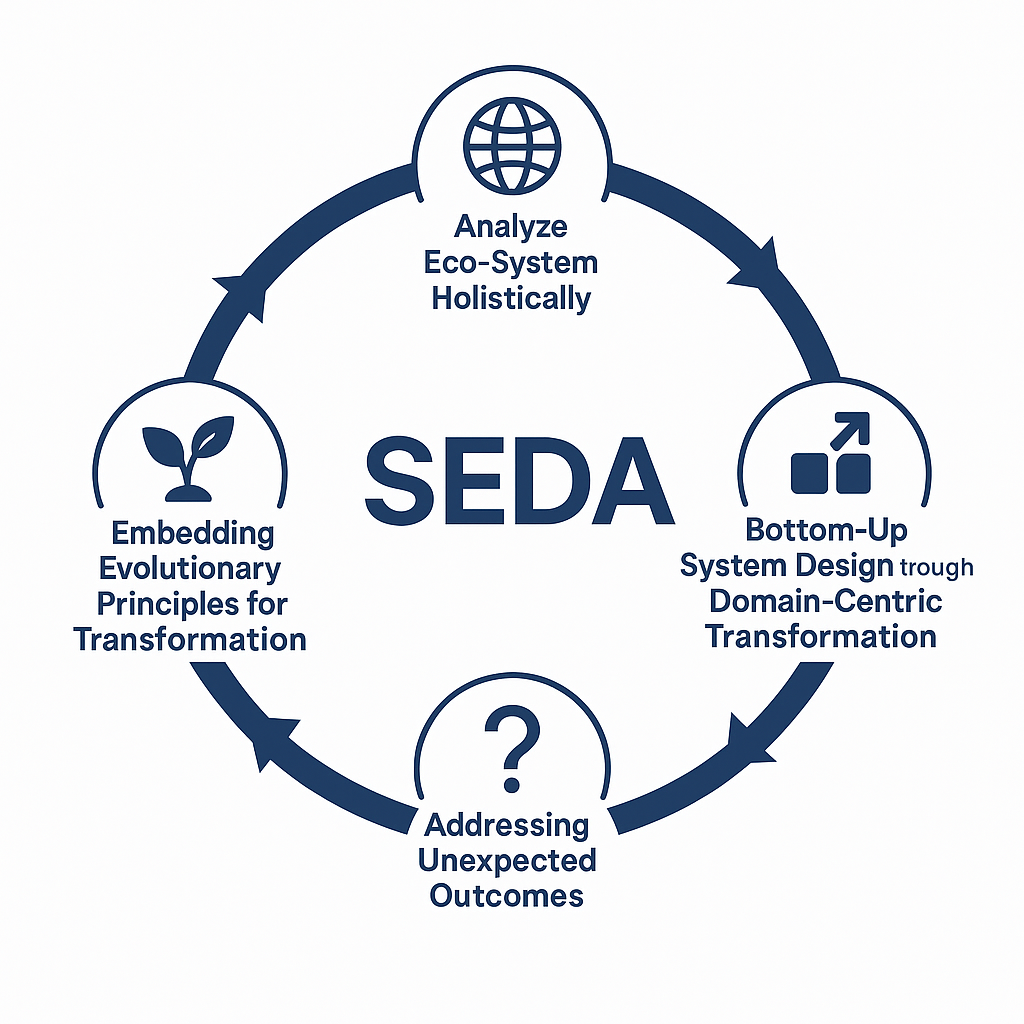
Estimated Reading Time: 9minutesAddressing Unexpected Outcomes As explained in Part One, the SEDA framework consists of four steps, each of which was briefly discussed. The third step, Addressing Unexpected Outcomes, is what
Estimated Reading Time: 12minutesLLMOps, short for Large Language Model Operations, is a growing field that focuses on managing the entire lifecycle of large language models like GPT, LLaMA, Claude, and Mistral. Think of
Estimated Reading Time: 9minutesSmall Language Models (SLMs) are streamlined versions of large language models or LLMs like GPT-4. With fewer parameters under the hood, they’re faster, more affordable, and easier to run,
Estimated Reading Time: 7minutesIn nearly every major software transformation, there’s one undeniable reality: legacy code is the elephant in the room. It runs mission-critical systems, processes billions in transactions, and holds years,
Estimated Reading Time: 6minutesIn today’s fast-moving world of software development, applications aren’t built from scratch anymore. They’re assembled. We stitch them together using combination of open-source libraries, third-party services, container images, and
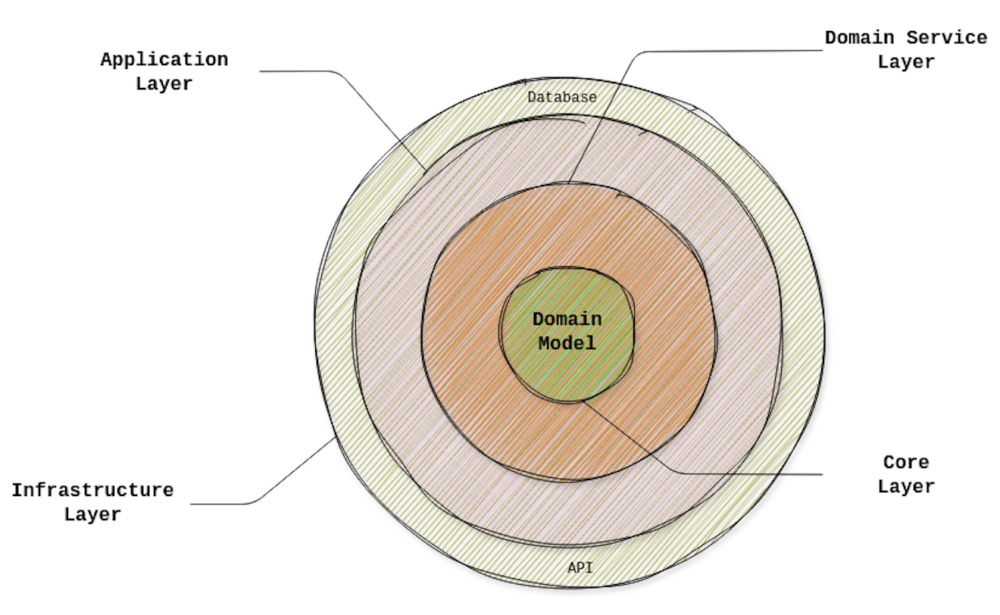
Estimated Reading Time: 5minutesOnion Architecture is a software architecture pattern that focuses on separation of concerns and dependency inversion to make systems more maintainable and testable. Introduced by Jeffrey Palermo, it addresses
Estimated Reading Time: 5minutesIn modern software architecture, CQRS (Command Query Responsibility Segregation) and Event Sourcing are powerful patterns for building scalable and maintainable applications. These approaches fit well with Domain-Driven Design principles,
Estimated Reading Time: 7minutesWe require a framework that promotes sustainable growth and adaptability by valuing both human and technological contributions, ensuring that organizations remain responsive to changes while maintaining a supportive and efficient structure.
Estimated Reading Time: 6minutesProgramming languages follow different paradigms, shaping how developers write and structure code. These paradigms influence the overall approach to problem-solving, guiding how programs are designed and executed. As a
We use essential and non-essential cookies to enhance site performance, analytics, and personalization. Before you consent, only essential cookies (e.g. session, security) are active. By clicking Accept, you agree to our use of non-essential cookies. You can withdraw consent anytime via our banner or browser settings. For full details on cookies used, data sharing, and your rights, see our Privacy & Cookie Policy.
Functional
Always active
The technical storage or access is strictly necessary for the legitimate purpose of enabling the use of a specific service explicitly requested by the subscriber or user, or for the sole purpose of carrying out the transmission of a communication over an electronic communications network.
Preferences
The technical storage or access is necessary for the legitimate purpose of storing preferences that are not requested by the subscriber or user.
Statistics
The technical storage or access that is used exclusively for statistical purposes.The technical storage or access that is used exclusively for anonymous statistical purposes. Without a subpoena, voluntary compliance on the part of your Internet Service Provider, or additional records from a third party, information stored or retrieved for this purpose alone cannot usually be used to identify you.
Marketing
The technical storage or access is required to create user profiles to send advertising, or to track the user on a website or across several websites for similar marketing purposes.
I help organizations evolve existing software ecosystems without forcing unnecessary large-scale rewrites. The focus is on understanding the current system, identifying what needs to change, and defining an incremental path toward a more maintainable and adaptable architecture.
I facilitate focused workshops to help teams understand complex domains, identify architectural boundaries, align technical and business perspectives, and make informed decisions about architecture and transformation.
This includes:
Domain-Driven Design workshops
EventStorming sessions
Architecture and modernization workshops
Transformation planning
Collaborative identification of priorities and next steps